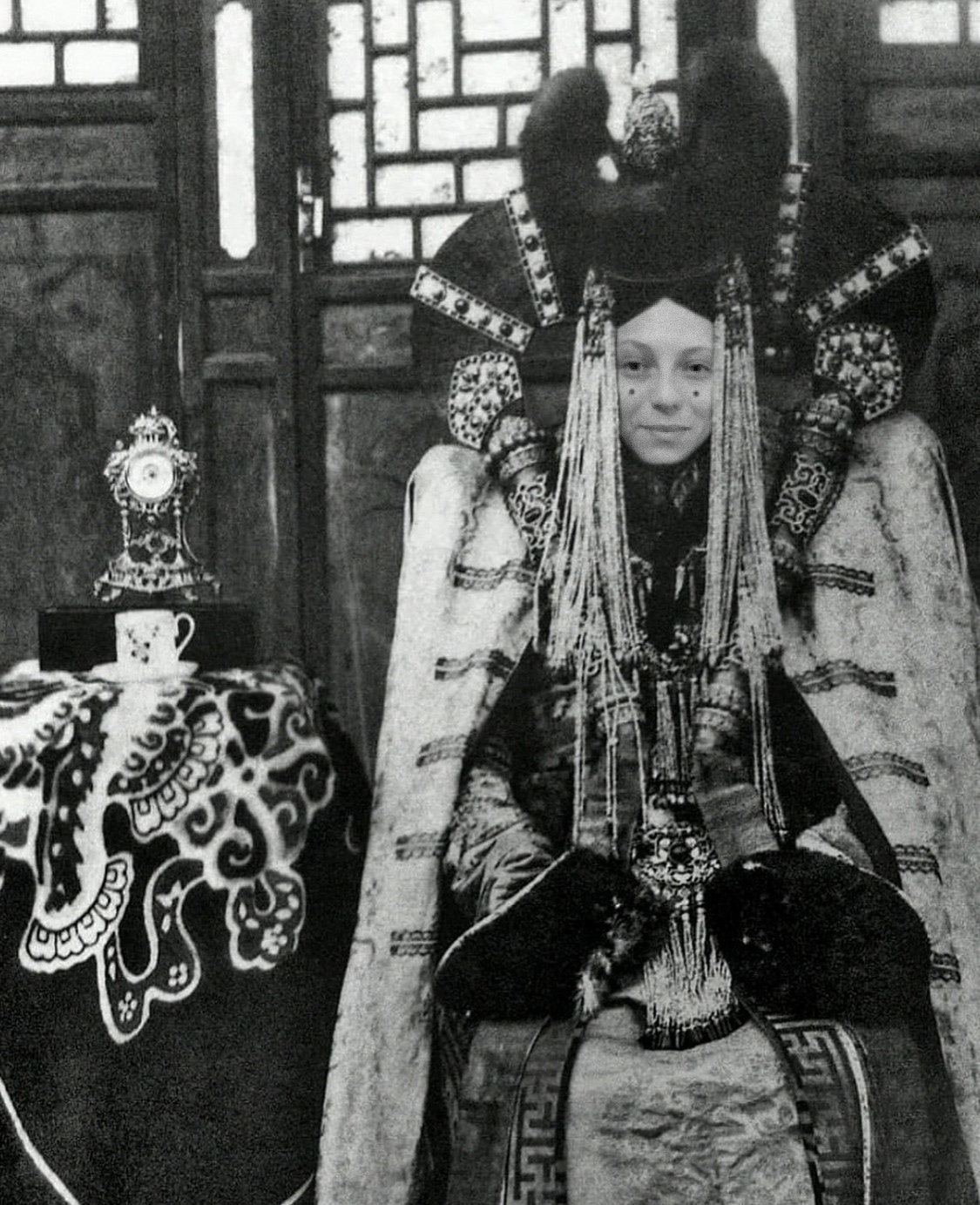
Dominika Wawrzyniak / Polish Designer and Creative Director
Design, for her, is not a discipline but a language. A way of thinking through colour, space, light, material, and visual form. Trained in interior, furniture, and graphic design, she works across multiple scales and mediums, letting each field shape the other. Architecture teaches structure, interiors reveal human interaction, furniture and craftsmanship sharpen attention to detail, while graphic design becomes a tool for precise narration.
She is the co-founder of FC Luchar, a multidisciplinary company where creativity meets research and experimentation. The company challenges conventional design, pushing the boundaries of space, perception, and emerging technologies. Each project tests new processes and approaches, seeking to redefine what design can do and how it can respond to the future.
Alongside spatial and visual design, her practice extends into stage design and projection mapping — fields that allow direct experimentation with depth, space, light, and movement. Projection mapping allows her to treat architecture as a living surface, and transforms static structures into dynamic experiences. Stage design becomes a framework for storytelling, shaping the conditions in which narratives unfold.
Craftsmanship remains central to her approach. Whether working with physical materials, furniture, ceramics, or digital media, she values the tactile process of making. In an increasingly digital world, this connection to the physical process brings depth, authenticity, and intention to her designs.
Her practice confronts the familiar, tests assumptions, and pushes design toward new directions. Restless and always in pursuit of what lies beyond convention, her designs challenge the world, forging new possibilities for space, form, and experience.
__________________________________
Interview with Dominika Wawrzyniak
Q: "You work in interior, furniture, and graphic design. How does that shape your work at FC Luchar?"
A: "These fields give me flexibility to approach challenges from different angles. At FC Luchar, we use this perspective to explore new processes, test unconventional ideas, and combine design with research and technology in ways that go beyond traditional expectations."
Q: "Your work goes beyond traditional design, including stage design and projection mapping. Can you explain?"
A: "Stage design and projection mapping let me explore space, light, and movement in ways architecture alone cannot. Projection mapping transforms static surfaces into dynamic experiences, while stage design creates environments that frame action and interaction."
Q: "Craftsmanship seems central to your work. Why is that?"
A: "Craftsmanship keeps the work grounded. Whether it’s furniture, ceramics, or digital media, working with physical materials adds depth and authenticity. In a digital world, this connection to making things by hand is essential. It's about respecting the process."
Q: "How do you see the future of design?"
A: "The future is about reconnecting with the earth in new ways. Through experimentation, new materials, and sustainable methods, design can combine modern innovation with natural principles, creating spaces and forms that are both responsible and forward-looking."
A: "These fields give me flexibility to approach challenges from different angles. At FC Luchar, we use this perspective to explore new processes, test unconventional ideas, and combine design with research and technology in ways that go beyond traditional expectations."
Q: "Your work goes beyond traditional design, including stage design and projection mapping. Can you explain?"
A: "Stage design and projection mapping let me explore space, light, and movement in ways architecture alone cannot. Projection mapping transforms static surfaces into dynamic experiences, while stage design creates environments that frame action and interaction."
Q: "Craftsmanship seems central to your work. Why is that?"
A: "Craftsmanship keeps the work grounded. Whether it’s furniture, ceramics, or digital media, working with physical materials adds depth and authenticity. In a digital world, this connection to making things by hand is essential. It's about respecting the process."
Q: "How do you see the future of design?"
A: "The future is about reconnecting with the earth in new ways. Through experimentation, new materials, and sustainable methods, design can combine modern innovation with natural principles, creating spaces and forms that are both responsible and forward-looking."